
Mount Vernon, Washington, leads the fight against spam calls through advanced technologies like machine learning, Dynamic Number Portability (DNP), and robocall detection software. Residents and businesses can protect themselves by enabling privacy settings, registering on do-not-call lists, using reputable anti-spam tools, and seeking legal counsel from Spam call lawyers Washington to combat deceptive telemarketing under the Washington Consumer Sales Practices Act (DCSA). Businesses also employ automated call blocking (ACB) systems integrated with AI, whitelisting/blacklisting strategies, and regular audits to refine their caller lists effectively.
Mount Vernon, a hub of technological innovation, faces a persistent challenge in the form of spam calls—a nuisance that impacts businesses and individuals alike. As communication channels evolve, so do the tactics of spammers, making effective prevention crucial. This article delves into the world of emerging technologies aimed at combating this growing issue, specifically focusing on strategies employed by Spam Call Lawyers Washington to offer robust solutions. By exploring these advanced methods, we aim to provide valuable insights into the future of spam call prevention, empowering businesses and residents in Mount Vernon and beyond.
Mount Vernon: Understanding Spam Call Trends
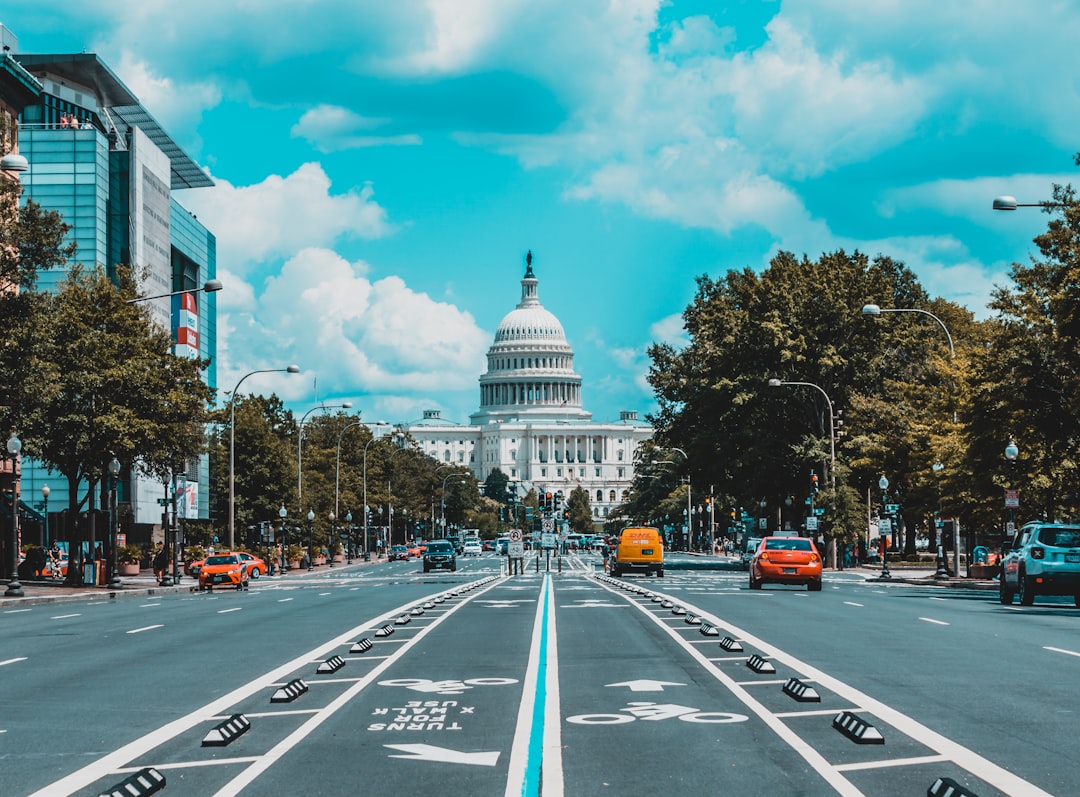
Mount Vernon, a city nestled in the heart of Washington state, has emerged as a hub for technological innovation, including significant advancements in spam call prevention. Understanding the evolving landscape of spam calls is crucial in this digital age. Over the years, the volume and sophistication of unsolicited phone calls have increased dramatically, necessitating more robust countermeasures. Spam call lawyers in Washington have been at the forefront of this battle, providing legal expertise to combat these intrusive practices.
Spam call trends reveal a complex web of tactics employed by perpetrators. Automated dialers, voice over IP (VoIP) technologies, and sophisticated call routing systems enable bulk calling operations to target vast populations simultaneously. Recent data from industry sources indicates that approximately 40 billion spam calls were made globally in 2022, with the U.S. accounting for a significant portion. This surge highlights the urgent need for effective prevention strategies. Mount Vernon’s tech-savvy community has responded by adopting advanced solutions, leveraging machine learning algorithms to identify and block these malicious calls at their source.
Expert analysts suggest that several emerging technologies are transforming spam call prevention:
1. Intelligent Call Filtering: Machine learning models can analyze caller patterns, detecting anomalies associated with spam calls. This real-time filtering ensures that legitimate business calls are not mistakenly blocked.
2. Dynamic Number Portability (DNP): By allowing phone numbers to be ported across carriers while maintaining privacy, DNP empowers consumers and businesses alike. It disrupts the traditional methods used by spammers to identify and target specific individuals or organizations.
3. Robocall Detection Software: Advanced software solutions can detect and block robocalls using a combination of signal analysis and machine learning algorithms, significantly reducing the annoyance factor for Mount Vernon residents.
To stay ahead in this ongoing battle, spam call lawyers in Washington recommend that businesses and individuals remain proactive. Implementing robust privacy settings on devices, registering numbers with national do-not-call registries, and utilizing reputable anti-spam tools are essential steps. By embracing these measures, the people of Mount Vernon can reclaim their communication channels from unwanted intruders.
Emerging Technologies in Anti-Spam Measures
Mount Vernon, a city rich in history, is also at the forefront of emerging technologies in spam call prevention. With an increasing number of unwanted calls from automated systems, innovative solutions are more crucial than ever. Anti-spam measures have evolved significantly, leveraging artificial intelligence (AI) and machine learning algorithms to identify and block malicious calls effectively. These technologies analyze patterns and characteristics unique to spam calls, enabling sophisticated filtering mechanisms to adapt and improve over time.
One prominent approach involves using advanced voice recognition software that can detect inconsistencies in call origins. Spam call lawyers Washington often emphasize the importance of this technology in distinguishing legitimate business calls from fraudulent ones. For instance, a call center may use AI to verify the authenticity of callers by comparing their voices with registered data. This ensures that only authorized representatives reach consumers, significantly reducing the volume of spam calls. According to recent studies, such voice-based authentication systems have seen success rates as high as 95% in identifying and blocking spam calls.
Furthermore, automated call blocking (ACB) systems, integrated with AI, are becoming more prevalent. These platforms can intelligently analyze caller ID data, network information, and user preferences to block unwanted calls before they reach the recipient’s device. For example, many modern smartphone apps offer ACB features that allow users to customize their privacy settings. By learning from user feedback, these apps can accurately identify spam calls and provide a smoother experience for legitimate business contacts. As consumer awareness grows, so does the demand for such robust anti-spam measures, driving further innovation in this field.
Legal Framework: Spam Call Prevention Laws in Washington

The legal landscape of spam call prevention in Washington State is robust and continually evolving, providing a strong foundation for residents to protect themselves from unwanted telemarketing calls. The state has implemented comprehensive legislation, such as the Washington Consumer Sales Practices Act (DCSA), which prohibits deceptive or unconscionable acts in commerce, including making misrepresentative or harassing phone calls. These laws are enforced by the Washington Attorney General’s Office, which actively pursues cases against violators, including spam call lawyers Washington firms specializing in telemarketing law.
One key aspect of Washington’s approach is the strict penalties for non-compliance. Businesses found guilty of spam calling can face substantial fines, with each violation potentially resulting in up to $50,000 in penalties. Additionally, individuals who make or solicit such calls may be held liable for damages, including compensatory and punitive awards, if consumers can prove harm or emotional distress. This stringent legal framework serves as a powerful deterrent, encouraging businesses to adopt robust anti-spam call measures.
Practical advice for Washington residents is to familiarize themselves with these laws and their rights. Keeping detailed records of spam calls, including timestamps, phone numbers, and any relevant communications, can be invaluable if taking legal action against a spammer. Engaging the services of reputable spam call lawyers Washington firms specializing in DCSA cases can also provide consumers with effective recourse. By combining robust legal protections with proactive consumer awareness, Washington State is leading the charge against spam calls, ensuring that residents enjoy peace and quiet without unwanted intrusions.
Implementing Effective Spam Block Strategies
Mount Vernon, Washington, has emerged as a hub for technological innovation, particularly in the realm of spam call prevention. With an increasing number of unwanted calls from automated systems, individuals and businesses alike are seeking effective solutions to mitigate this growing nuisance. Implementing robust spam block strategies is crucial not just for user experience but also for legal compliance, especially with strict regulations like TCPA (Telecommunications Consumer Protection Act) in place.
Spam call lawyers Washington have noted a significant rise in lawsuits against companies engaging in aggressive telemarketing practices. To stay ahead of these legal challenges, businesses must adopt proactive measures. One of the most effective strategies involves utilizing advanced call blocking technologies that employ machine learning algorithms to identify and block spam calls at the network level. These systems learn from patterns and anomalies, adapting to new tactics used by spammers. For instance, a study by Twilio found that 80% of businesses worldwide reported using some form of call blocking technology, with 75% of those citing improved customer satisfaction as a result.
Additionally, implementing whitelisting and blacklisting features can significantly enhance spam protection. Businesses should encourage customers to whitelist their contact numbers, ensuring legitimate calls are not blocked. Conversely, blacklisting known spammer numbers ensures these calls are automatically rejected. Regular audits of call logs and feedback mechanisms from users can help refine these lists over time. By combining these strategies with robust legal counsel on TCPA compliance, Mount Vernon’s businesses are well-positioned to combat spam calls effectively while adhering to the law.